Range
by David Epstein
Epstein makes a compelling case for why generalists thrive in a world that rewards specialization. Drawing on research across sports, science, and business, he shows that the most successful people often delay specialization, explore widely, and bring cross-domain thinking to complex problems. For leaders managing diverse teams and fast-changing environments, Range is a reminder that breadth of experience is a strategic advantage, not a liability.
How to Change
by Katy Milkman
Behavioral scientist Katy Milkman breaks down the specific obstacles that prevent people from changing, impulsivity, forgetfulness, laziness, confidence, and offers evidence-based strategies for overcoming each one. This is a practical, research-backed playbook for leaders who want to build better habits, develop their people, and create lasting change in their organizations.
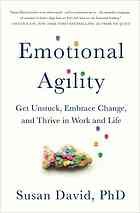
Emotional Agility
by Dr. Susan David
Harvard psychologist Dr. Susan David challenges the idea that positive thinking is the path to high performance. Instead, she shows how the ability to face difficult emotions with openness and curiosity, rather than suppressing or being controlled by them, is what separates effective leaders from the rest. Essential reading for anyone leading through complexity, conflict, or change.
Deep Work
by Cal Newport
Newport argues that the ability to focus without distraction on cognitively demanding tasks is becoming both increasingly rare and increasingly valuable. He makes the case that deep, concentrated work is the superpower of high performers, and provides a practical framework for cultivating it in a world designed to fragment your attention. Required reading for any leader who wants to do their best thinking.
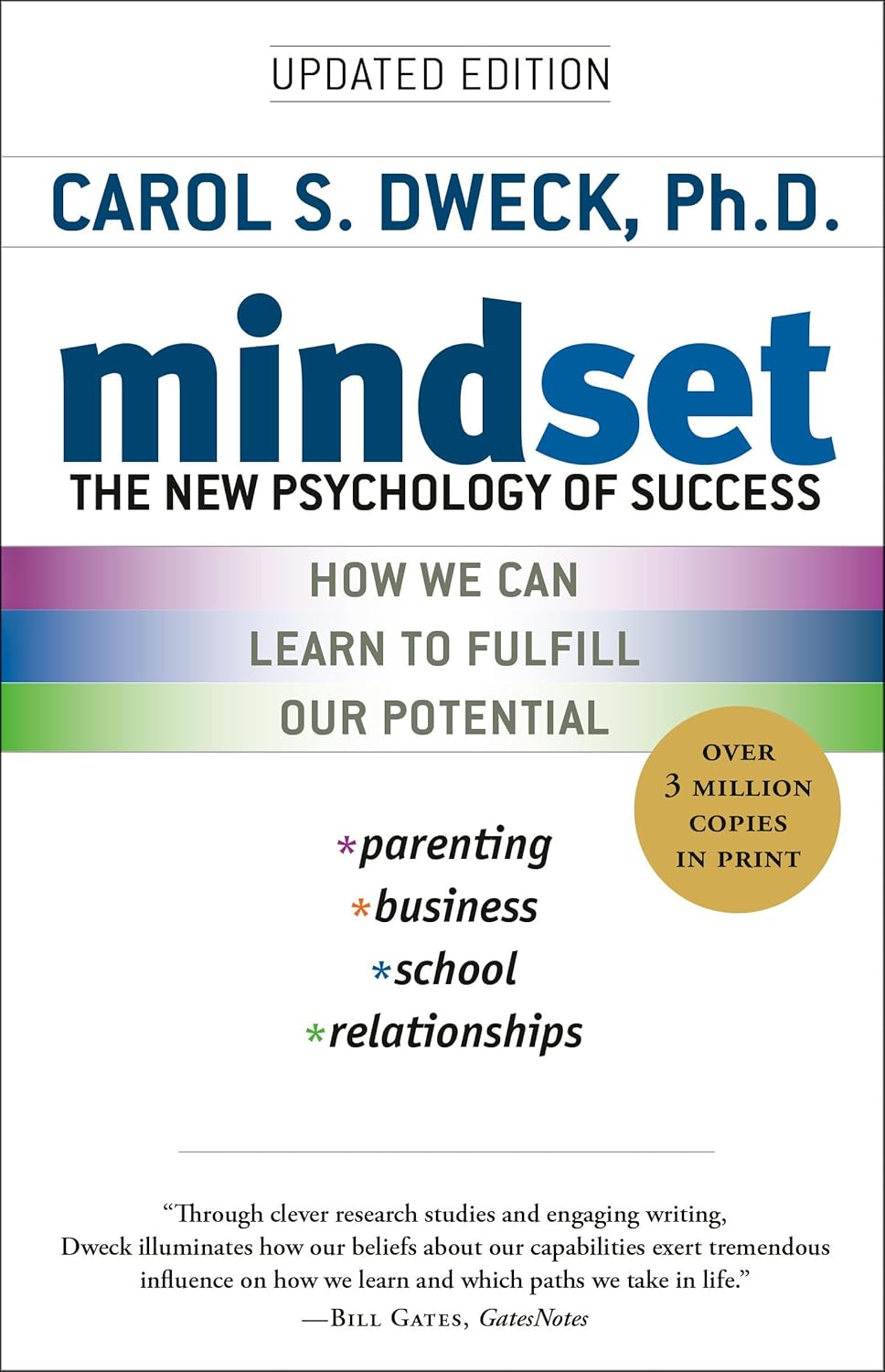
Mindset
by Dr. Carol S. Dweck
Stanford psychologist Dr. Carol Dweck's landmark research on fixed versus growth mindsets has transformed how the world thinks about talent, effort, and potential. Leaders with a growth mindset believe abilities can be developed through dedication and hard work, and they build teams and cultures that reflect that belief. One of the most influential books in performance psychology.
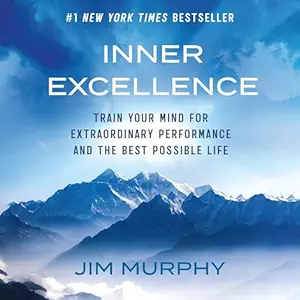
Inner Excellence
by Jim Murphy
Jim Murphy draws on performance psychology, philosophy, and the stories of elite athletes and executives to show what it truly means to perform at your best. The book is built on the premise that exceptional performance comes not from trying harder but from developing the character, mindset, and inner life that make excellence possible. A deeply practical and personal guide for leaders who want to lead from strength rather than fear.
Peak: Secrets from the New Science of Expertise
by Anders Ericsson and Robert Pool
The world's foremost researcher on expert performance, Anders Ericsson, dismantles the myth of natural talent and reveals the real driver of mastery: deliberate practice. This is not about putting in more hours, it is about practicing the right way, with focused intention, immediate feedback, and constant stretch beyond your comfort zone. An essential book for coaches, leaders, and anyone invested in developing human potential.
Peak Performance
by Brad Stulberg and Steve Magness
Stulberg and Magness synthesize the latest research on performance across elite sport, science, art, and business to uncover the universal principles behind sustainable high performance. Their core insight: stress plus rest equals growth. The book offers a science-backed framework for pushing harder, recovering smarter, and performing at your best over the long haul, without burning out.
The Inner Game of Tennis
by W. Timothy Gallwey
Written in 1974 and still as relevant as ever, Gallwey's classic introduced the world to the idea that the greatest opponent in any performance, sport, leadership, or life, is the one inside your own head. His framework for quieting Self 1 (the critical, overthinking mind) to unleash Self 2 (the instinctive, performing self) is foundational to modern performance psychology and coaching. One of the most cited books in our practice.
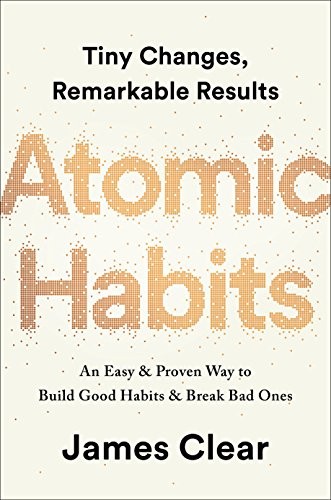
Atomic Habits
by James Clear
James Clear has written the definitive modern guide to behavior change. His core argument is simple and powerful: small habits compound into remarkable performance, and the key is not motivation but systems. For leaders building high-performing teams and cultures, Atomic Habits offers a practical framework for making the right behaviors easy, automatic, and sustainable at every level of an organization.
Tiny Habits
by BJ Fogg
Stanford behavior scientist BJ Fogg spent decades researching why people fail to change and what actually works. His answer, anchor new behaviors to existing ones, start absurdly small, and celebrate every tiny win, runs counter to the willpower-and-discipline approach most people rely on. Tiny Habits is a compassionate, science-backed system for building lasting change that works for real people in real life.
The Ruthless Elimination of Hurry
by John Mark Comer
Comer makes the case that hurry is the great enemy of a meaningful, productive, and grounded life, and that constant busyness quietly erodes the focus, presence, and judgment leaders most need. Drawing on practical wisdom and ancient practices, he offers a counter-cultural framework for slowing down on purpose so you can lead, think, and live at your best.
From Strength to Strength
by Arthur C. Brooks
Social scientist Arthur C. Brooks examines why high achievers so often feel diminished in the second half of their careers, and how to design a more meaningful next chapter. Drawing on research in psychology, neuroscience, and philosophy, he offers a practical roadmap for trading raw striving for wisdom, generativity, and lasting purpose. Essential reading for leaders thinking about legacy and what comes next.
Man's Search for Meaning
by Viktor E. Frankl
Viktor Frankl's landmark account of surviving the Nazi concentration camps, and the psychological insight he drew from that experience, has shaped how generations of leaders think about purpose, suffering, and resilience. His central claim is simple and enduring: when we cannot change our circumstances, we are still free to choose our response, and meaning is the one thing that sustains us through the hardest seasons. A foundational text for any leader navigating adversity.
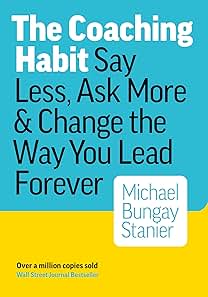
The Coaching Habit
by Michael Bungay Stanier
Michael Bungay Stanier distills coaching down to seven deceptively simple questions that any leader can use to say less, ask more, and change the way they lead forever. The book's core move is shifting from giving advice to asking better questions, building people's capability, ownership, and judgment instead of your own bottleneck. A practical, fast-read playbook that has become a staple in modern leadership development.
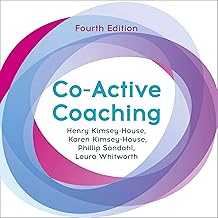
Co-Active Coaching
by Henry Kimsey-House, Karen Kimsey-House, Phillip Sandahl, and Laura Whitworth
The foundational text behind one of the most respected coaching methodologies in the world. Co-Active Coaching frames the coaching relationship as a partnership between two equals, fully alive, naturally creative, resourceful, and whole, and provides a rigorous framework for listening, curiosity, and transformative conversation. Required reading for anyone serious about the craft of coaching.
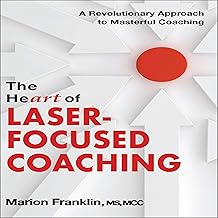
The HeART of Laser-Focused Coaching
by Marion Franklin
Master Certified Coach Marion Franklin distills decades of practice into a clear, principle-driven approach to coaching that gets to the real issue fast. Her framework helps coaches move past surface-level problems, recognize recurring patterns, and ask the questions that create genuine insight and lasting change. A favorite reference for serious coaches who want to sharpen their craft.
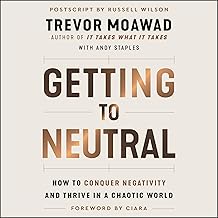
Getting to Neutral
by Trevor Moawad with Andy Staples
Mental conditioning coach Trevor Moawad, who worked with elite athletes and executives, argues that the real key to high performance is not relentless positivity but neutral thinking: a disciplined refusal to let negative self-talk run the show. The book offers a practical, no-nonsense framework for staying grounded under pressure, recovering from setbacks, and performing when it matters most.
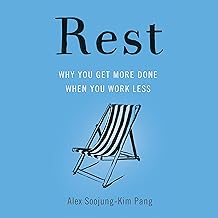
Rest
by Alex Soojung-Kim Pang
Pang draws on history, neuroscience, and the daily routines of some of the world's most creative and accomplished people to make a counter-intuitive case: the most productive performers don't work more, they rest better. The book lays out a science-backed framework for treating rest as a skill and a strategy, not a reward, and shows leaders how deliberate recovery is the hidden engine of sustained high performance.